Secret Shores: Discovering Nusa Penida's Hidden Coastal Treasures
By VisitBali.com Editorial Team · 8 min read · Published 10 December 2024 · Last updated 15 September 2026
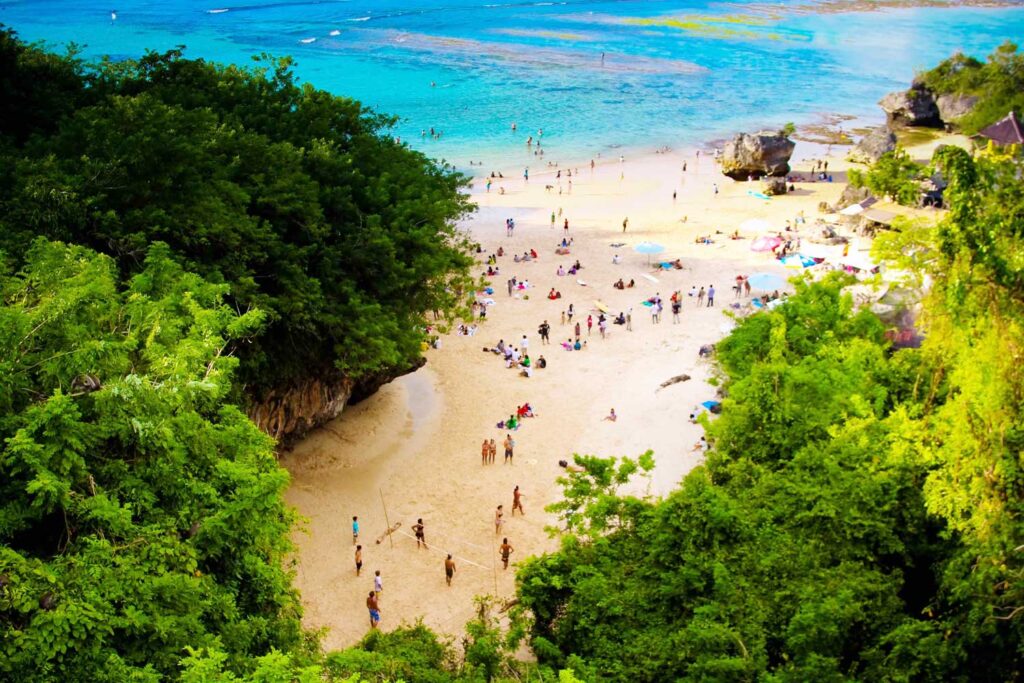
Nusa Penida's less-visited beaches are not easy-access swimming stops. Suwehan and Peguyangan involve steep, exposed paths; Tembeling combines a forest walk with pools; Suar and other minor coves may have poor signage and no services. Treat conditions, tide and the return climb as part of the decision, not an afterthought.
Compare the better-known quieter spots
| Place | What it offers | Access and limitations |
|---|---|---|
| Tembeling | Forest setting, spring pools and a coastal outlook | Uneven descent; swim only where local conditions allow; limited facilities. |
| Peguyangan | Sacred springs, cliff scenery and ocean views | Long, exposed stair route; not suitable for visitors uncomfortable with heights. |
| Suwehan Beach | Sand below high cliffs and a quieter shoreline | Steep, sometimes rope-assisted descent; waves and the return climb demand caution. |
| Suar and small coves | Rural coast and possible snorkelling conditions | Access can change; do not rely on online descriptions for a safe route or marine-life guarantee. |
Transport and timing
Fast boats from Sanur arrive at Nusa Penida's harbour, where roads to different coasts can be slow and rough. Book a licensed driver or an experienced local guide for remote routes rather than assuming a rental scooter is appropriate. A driver can also wait while you walk, which is safer than leaving valuables and trying to find transport after dark. Confirm the harbour, luggage rules and return sailing directly with the operator. Leave a buffer for sea and road delays and do not schedule a flight immediately after the boat.
Start early to reduce heat on exposed paths, but check the forecast and tide locally. A low tide may expose more shoreline but can create slippery rock and stronger backwash. There may be no shade, toilets, food, fresh water or mobile signal at the beach. Carry drinking water, sun protection, a small first-aid kit, a dry bag and all rubbish back out.
Safety and accessibility
- Do not descend a cliff route in rain, high wind or poor visibility. Wet limestone and narrow stairs become materially more hazardous.
- Wear shoes with grip; flip-flops are a poor choice for steep paths. Keep both hands free and never race the return climb.
- Do not swim alone, snorkel beyond your ability or enter surf around rocks. A beautiful cove does not mean safe swimming.
- People with limited mobility, young children and travellers carrying large bags may not be able to reach these beaches. Tembeling's pools and Peguyangan's stairs are particularly unsuitable for many visitors.
- Do not approach nesting animals, touch coral or feed wildlife. Never claim that a beach is empty or untouched; use low-impact behaviour even when others are absent.
Marine life and conservation
Nusa Penida is known for manta and turtle habitat, but sightings are seasonal and never guaranteed. Coral, fish and nesting areas are vulnerable to anchors, litter and careless contact. Choose operators that brief guests, avoid touching wildlife and follow local marine rules. The Indonesian Ministry of Marine Affairs and Fisheries publishes national marine-management information; also follow instructions from local authorities and conservation groups.
Build a realistic beach day
- Check the sea forecast, road conditions and tide with your accommodation or guide.
- Choose one demanding coast, not several cliff descents in one day.
- Carry water and a way to contact your driver; tell someone your planned return.
- Set a turnaround time that leaves daylight for the ascent.
- Use the Bali travel guide to balance Nusa Penida with an easier mainland day.