Bali Kecak Dance: Story, Sound, Venues and Visitor Etiquette
By VisitBali.com Editorial Team · 8 min read · Published 30 October 2024 · Last updated 15 September 2026
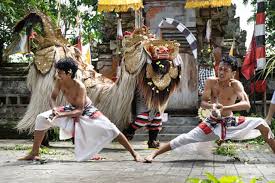
Kecak is a staged Balinese performance built around a seated male chorus chanting “cak” in interlocking rhythms while dancers present scenes from the Ramayana. The best-known visitor performances take place at Uluwatu Temple at sunset, but Kecak is also presented in Ubud and other cultural venues. It is a theatrical tradition with ritual influences, not a single unchanged ancient ceremony.
What happens during a performance?
- The chorus forms a circle and establishes the layered vocal pulse without a gamelan orchestra.
- Dancers introduce characters from the Ramayana, commonly Rama, Sita, Lakshmana, Hanuman and Ravana.
- The story develops through gesture, costume, movement and the chorus’s changing intensity. Narration or a programme may help visitors follow the episode.
- Some evening shows include a fire sequence. Its staging and safety arrangements vary by venue; it is not proof that every performance is a religious rite.
Origins and the story behind the chant
Kecak developed in the twentieth century from the Sanghyang trance tradition and was shaped into a performance format with Ramayana storytelling. The chorus’s sound substitutes for the instrumental ensemble used in many other Balinese dances. Sanghyang itself has distinct ritual contexts, so it is more accurate to describe modern Kecak as a performance influenced by ritual practices than to label every tourist show a sacred ceremony.
The Ramayana plot varies by production, but the familiar outline follows Rama’s exile, Sita’s abduction by Ravana, Hanuman’s role in the rescue and the conflict between the two sides. Reading a short synopsis beforehand makes the movement and entrances easier to follow.
Choosing a venue
| Setting | Why choose it | Trade-offs |
|---|---|---|
| Uluwatu Temple | Clifftop setting and sunset atmosphere | Popular, exposed to weather and often combined with substantial traffic; temple dress rules apply |
| Ubud cultural venues | Convenient with galleries, restaurants and other performances | Usually an indoor or town setting rather than a sea-cliff backdrop |
| Village or community performances | May offer a smaller-scale programme and a closer community setting | Schedules, access and language information can be less predictable |
Check the venue’s current schedule, ticket channel, seating, weather policy and start time. Sunset times and traffic vary through the year, and a ticket does not guarantee an unobstructed view. The temple etiquette guide explains dress, photography and boundaries that also matter when a show is held in a temple complex.
Practical planning
- Timing: Arrive early for popular sunset shows and allow for parking, queues and the walk to the seating area. Do not schedule a tight airport or ferry transfer afterward.
- Transport: A private driver or pre-arranged transfer is more predictable than trying to find a ride immediately after a large audience leaves. Traffic around Uluwatu can be slow.
- Cost: Ticket prices and inclusions differ by venue and seat. Confirm whether temple admission, transport, a printed programme or a booking fee is separate.
- Families: The story and bright costumes can suit older children, but the chanting is loud and the fire sequence may unsettle younger viewers. Check seating and exit access.
- Accessibility: Ask about steps, uneven temple paving, seating, toilets and the distance from drop-off to the venue. Clifftop and outdoor sites may not offer step-free access.
Respectful viewing checklist
- Wear a sarong and sash or use the venue’s covering when entering a temple; keep shoulders and knees covered where requested.
- Do not climb barriers, enter the performance circle or touch costumes and offerings.
- Photograph only where permitted, disable flash and keep phones quiet during the story.
- Respect performers and worshippers as people, not props; ask before photographing individuals outside the show.
Kecak is most rewarding when the spectacle and the cultural context are held together: listen to the chorus, follow the Ramayana episode and remember that the performance format can differ by troupe. For another culture-and-landscape pairing, consider the rice terrace cycling guide, but leave enough time between daytime cycling and an evening performance.