Sacred Spaces: Navigating Bali's Temple Culture with Respect
By VisitBali.com Editorial Team · 7 min read · Published 15 December 2024 · Last updated 15 September 2026
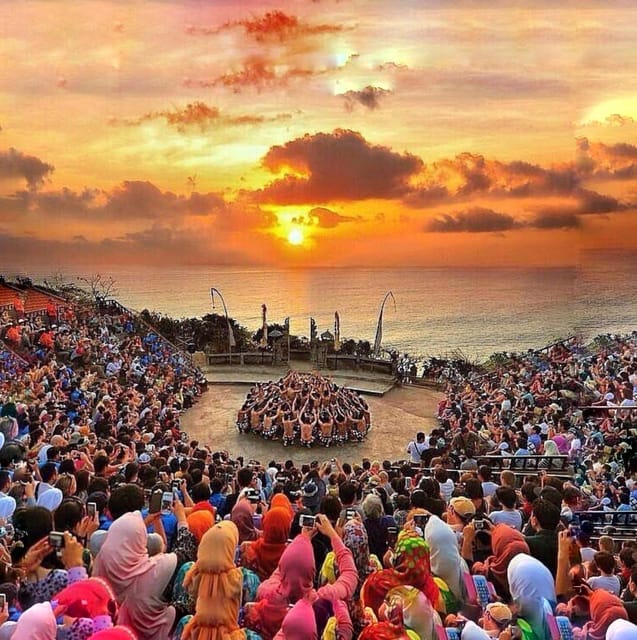
At a minimum, cover your shoulders and knees, wear a sash, follow the entrance guidance, and ask before photographing people or ceremonies. A Balinese temple, or pura, is a living place of worship rather than a museum. Rules vary by temple and ceremony, so the person at the gate has priority over a general guide.
Temple visit checklist
- Wear a sarong or other garment covering the legs and a sash around the waist. Bring a light top or shawl for bare shoulders; rentals may be available but are not guaranteed.
- Do not enter if you are menstruating, have recently given birth or are otherwise considered cuntaka under local practice. This is a religious boundary, not a judgement; ask discreetly if unsure.
- Remove shoes only where requested, keep feet away from offerings, and never step over a person praying or an offering.
- Keep voices low, silence the phone, and do not climb walls, shrines or gates.
- Ask before taking a portrait. During a ceremony, stand to the side and follow instructions about where visitors may sit or walk.
Where visitors can and cannot go
Many temples have an outer courtyard and more restricted inner areas. Visitors may be limited to the outer courtyard, especially during prayer or a festival. A ticket or donation does not override a closed gate. Do not join a purification ritual or receive holy water unless a temple representative invites and guides you.
| Situation | Respectful response |
|---|---|
| Daily canang sari offerings | Walk around them, never touch or move them, and watch for offerings placed on paths. |
| Temple ceremony | Wait for an usher or devotee to indicate a visitor area; avoid blocking processions. |
| Photography | Use no flash, keep distance, and accept a refusal without debate. |
| Holy water or blessing | Participate only when invited and copy the attendant's instructions. |
| Closed inner courtyard | Remain outside. Sacred access is not a sightseeing entitlement. |
Why the rules differ
Balinese temples are connected to village, family and regional communities. Village temples commonly include the three functions of Pura Puseh, Pura Desa and Pura Dalem, while major temples such as Besakih serve wider communities. The layout often moves from an outer courtyard to a more sacred inner courtyard. You do not need to master Balinese Hindu terminology to visit well: observe, ask briefly and let local practice lead.
Planning a respectful visit
Allow extra time for a sarong fitting, a ceremony or a crowded approach. Early morning can be calmer, but temple anniversaries follow the Pawukon calendar and can occur throughout the year. Rain makes stone steps and paths slippery. Bring a cover-up, water and footwear with grip, and check whether the route involves stairs. Uluwatu includes cliff edges and monkeys, so keep glasses, food and loose items secured. Tirta Empul is a working water temple; do not enter the bathing area simply to take photographs.
For official visitor and travel updates, check Bali's tourism authority and follow notices at the temple itself. Pair this guide with the Bali planning guide when choosing a route.
A simple rule
Leave a temple as you found it: dressed appropriately, quiet, and without taking access, images or participation that were not offered. Curiosity is welcome when it is matched by restraint.