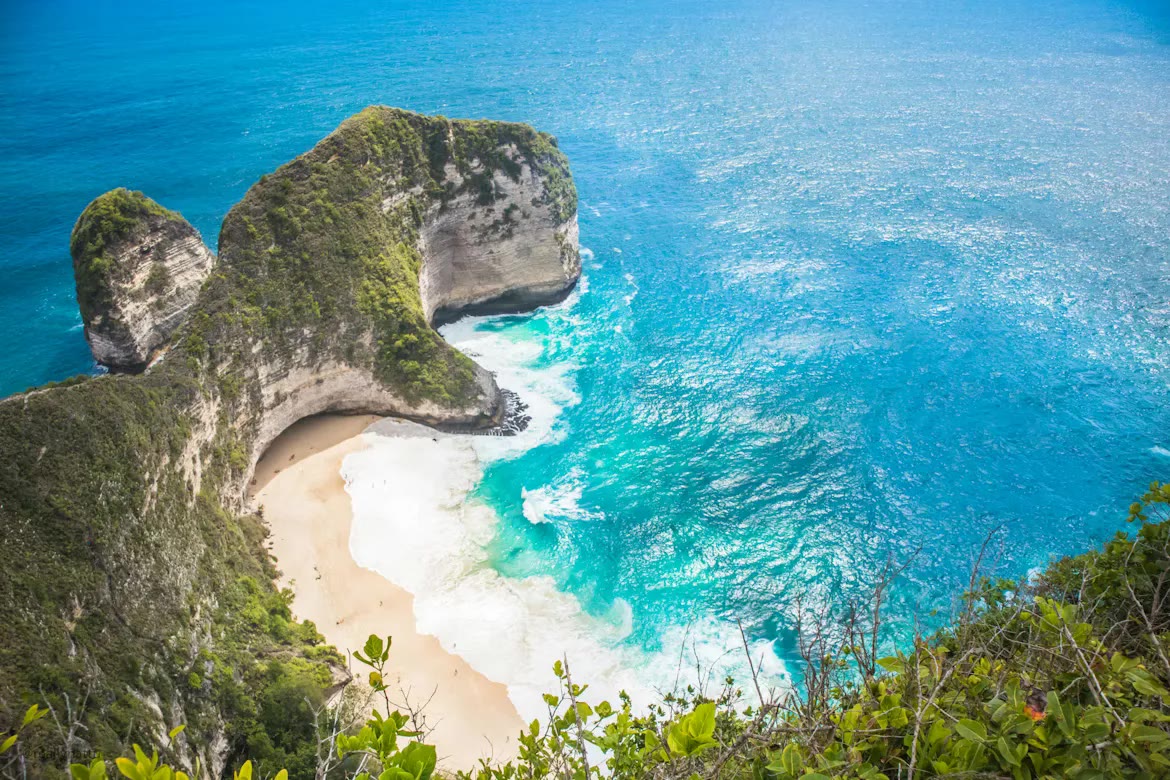
Quick answer: Nusa Penida is the largest and most rugged of Bali's Nusa Islands, known for Kelingking's T-Rex-shaped headland, the east-coast beaches at Diamond and Atuh, and boat trips to manta-ray waters. Stay at least two nights to explore one coast at a time; rough, winding roads make combining the western and eastern sights in a single day exhausting.
Nusa Penida is a limestone island of huge sea cliffs, dry hills and coves whose beauty comes with real distances and demanding access. Most visitors arrive from Sanur, but overnight stays reveal a quieter island after the day boats leave; plan by coast rather than trying to tick off every famous viewpoint.
Best for hikers comfortable with steep descents, landscape photographers, snorkellers and travellers willing to trade convenience for dramatic scenery. It is less suitable for a rushed, mobility-limited beach holiday: many viewpoints have exposed edges, beach paths are steep, and sea conditions can change quickly.
Where to Stay in Nusa Penida
Toya Pakeh and the north-west. Practical for boat arrivals, dive shops and access to the island's western sights; expect road journeys to take longer than a map suggests.
Sampalan and the north-east. A useful service hub with shops, eateries and transport connections, better placed for the eastern beaches than the west.
Crystal Bay and the west coast. A beach-oriented base close to the sunset coast and western loop, though accommodation and dining choices are more spread out.
East-coast villages near Atuh. Choose this quieter area for sunrise and early access to Diamond Beach, Atuh Beach and the Raja Lima viewpoint; arrange transport in advance.
Luxury: Cliffside villas and boutique resorts are available, but selection is smaller than on Bali; compare current rates and confirm road access and included transfers.
Mid-range: Guesthouses and small hotels offer the broadest choice around the north-coast ports and west-coast routes; check recent reviews for water, power and transport details.
Budget: Simple homestays and locally run rooms are found across the island. Facilities can be basic, so verify air-conditioning, hot water and payment arrangements before booking.
For a first visit, stay near the north coast if you want easy boat logistics, then book separate west- and east-coast days with a local driver. Base on the east only if sunrise beaches are a priority and you have already arranged your return transfer.
Things to Do in Nusa Penida
Top Attractions
Kelingking Beach viewpoint — the famous T-Rex-shaped headland; the descent to the beach is steep, exposed and strenuous.
Broken Beach (Pasih Uug) — a natural rock arch enclosing a sea-filled cove, reached by a coastal walk.
Angel's Billabong — a tidal rock pool beside Broken Beach; admire it from safe ground and never enter when swell or tide conditions are unsafe.
Diamond Beach and Atuh Beach — neighbouring east-coast coves beneath limestone formations, both reached by steep stairways.
Thousand Islands (Raja Lima) viewpoint and Rumah Pohon — cliff panoramas over offshore rock stacks.
Crystal Bay — a west-coast swimming and snorkelling beach; currents can be strong beyond the sheltered area.
Hidden Gems
Teletubbies Hill — rounded inland hills that are especially green after rains.
Gamat Bay — a quieter-feeling coastal stop and snorkelling area when sea conditions permit.
Take time in the island's inland villages to see a side of Penida beyond the famous cliff overlooks.
Best Experiences
Choose either a western or eastern coast road trip for the day, leaving generous time for slow roads and viewpoint walks.
Join a locally operated snorkel trip to sites such as Manta Point, Crystal Bay or Gamat Bay; sightings and access depend on sea conditions.
Watch sunset at Crystal Bay or take an early start for the east-coast viewpoints.
Walk down to Kelingking or Diamond Beach only if fit, properly shod and conditions are suitable; the return climbs are demanding.
Getting Around Nusa Penida
Car with local driver — The most comfortable way to cover the island's long, uneven routes, especially for groups or visitors unfamiliar with local roads. (Ask operators for a current full-day quote; route, vehicle and inclusions affect the price.)
Scooter — Flexible for confident, properly licensed riders, but road surfaces, steep sections, traffic and fatigue make this a poor choice for inexperienced riders. (Rental rates vary by season and provider; confirm insurance, helmet and fuel terms.)
Boat and guided snorkel tour — A practical way to reach offshore snorkelling spots, but only travel with an operator who assesses conditions and provides safety equipment. (Compare current per-person rates and check whether transfers and equipment are included.)
Distances are deceptive: allow substantially more time than a map estimate, and split the west and east into separate outings. Fast boats from Sanur are weather-dependent; verify the latest timetable and return departure, and keep cash for small local charges. Avoid cliff edges and follow lifeguard or local safety instructions.
Best Time to Visit Nusa Penida
April–October — Generally drier, with more settled spells. Often the easiest period for viewpoint visits and boat crossings, though sea state and visibility still vary day to day.
November–March — Wetter season with a greater chance of showers. Greener inland scenery and potentially quieter stays; rain can make steep paths and road travel more challenging.
July–October — Dry-season months; cooler upwellings can occur offshore. Divers may hear of seasonal mola-mola possibilities around Crystal Bay, but encounters are never guaranteed and conditions are for operators to assess.
Peak season: School holidays and the July–August period are busy, particularly at Kelingking and on Sanur boat services; book the crossing and a driver ahead.
Off-peak: Rainier-season weekdays can feel quieter, but do not assume every boat or beach activity will operate; check conditions and flexible cancellation terms.
How Many Days in Nusa Penida?
Ideal: Two or three nights: dedicate a full day to the west, another to the east, and allow time for a snorkel trip or weather changes.
Quick visit: A day trip can cover one coast's highlights, but choose the western or eastern loop rather than attempting both.
Slow travel: Four or more nights suit divers, photographers and travellers who want a weather buffer and unhurried village and beach time.
Sample Nusa Penida Itinerary
Day 1 — Arrival and west coast
Morning: Take a scheduled fast boat from Sanur, allowing for boarding and sea conditions; check in near your chosen base.
Afternoon: Visit Kelingking's viewpoint, taking the beach descent only if conditions, fitness and footwear make it sensible.
Evening: Head to Crystal Bay for a swim only in a safe area and watch the light change over the water.
Day 2 — East coast
Morning: Start early for Diamond Beach and Atuh Beach; use the stairs carefully and leave time for the climbs back up.
Afternoon: Visit Raja Lima and Rumah Pohon viewpoints, then return before dark on the island roads.
Evening: Eat near your accommodation and confirm boat plans for the next day.
Day 3 — Sea or slow island day
Morning: Join a reputable snorkel or dive operator if conditions are suitable, or take a relaxed morning near your base.
Afternoon: Explore Teletubbies Hill or a nearby village, keeping the route modest.
Evening: Return to Bali by a confirmed boat service, or stay another night if schedules or weather warrant it.
Costs & Daily Budget in Nusa Penida
Accommodation: Options range from simple homestays to boutique stays; rates vary widely by season and location. Check live prices and what is included.
Food: Local warungs are generally the economical choice; resort restaurants and imported or Western-style meals cost more. Carry some cash and check menus before ordering.
Activities: Viewpoint, parking and local contribution charges can change; carry small rupiah notes. Snorkel, dive and boat-trip prices vary by route, operator and inclusions—compare current quotes.
Transport: Boat fares and island driver or scooter rates change by operator and season. Confirm return boat times and agree the driver's route and total price in advance.
Budget: Indicative lower-cost travel is possible with simple accommodation, local meals and shared or limited transport; boat tickets and island transfers are additional—check current rates.
Mid-range: Allow more for a private driver, comfortable lodging and a guided sea excursion; actual total depends on boat fares and activities.
Luxury: Boutique or villa stays, private transfers and specialist dive trips can raise costs substantially; request a current itemised quote.
Pros & Cons of Nusa Penida
Pros
Exceptional cliff and sea-stack scenery.
Distinct western and eastern sightseeing circuits.
Access to well-known snorkelling and diving waters.
An overnight stay lets visitors avoid doing everything in a rushed day trip.
Cons
Roads and journey times can be challenging.
Beach descents are steep and some viewpoints are exposed.
Boat schedules and water activities depend on conditions.
Services and accommodation are less extensive than on mainland Bali.
Nusa Penida Travel Tips
Cultural etiquette
Dress modestly at temples and respect local ceremonies and offerings.
Ask permission before photographing residents, homes or religious activity.
Use local services respectfully and take rubbish back with you, especially from remote beaches.
Common mistakes to avoid
Don't try to combine the west and east loops in one day.
Don't enter Angel's Billabong or swim at exposed beaches without checking tide, swell and local advice.
Don't descend steep beach paths in flip-flops or in rain.
Don't rely on an unconfirmed last boat or assume mobile payment and ATMs will always work.
Day Trips from Nusa Penida
Kelingking Beach(Allow ample time from the north-coast port) — The iconic T-Rex headland viewpoint on the west coast; allow time for the walk and avoid unsafe descents.
Broken Beach and Angel's Billabong — A natural arch and nearby tidal rock pool; admire the scenery from safe ground and heed swell warnings.
Diamond Beach and Atuh Beach(A full eastern-coast outing from the main port) — Pair two dramatic east-coast coves, with steep stairways and viewpoints.
Nusa Lembongan — Pair rugged Penida with Lembongan's bays and mangroves; inter-island boat availability and schedules should be checked locally.
Nusa Penida FAQs
Can you visit Nusa Penida as a day trip?
Yes, but the island is large and roads are slow. Choose one coast—west or east—and arrange a boat and island transport with enough time for the confirmed return sailing.
How many days should I spend on Nusa Penida?
Two or three nights allow time for both coast circuits without rushing. A one-day visit is best limited to one route.
Is Kelingking Beach safe to hike down to?
The descent is steep, exposed and strenuous, with a demanding climb back. Conditions and path maintenance change; wear suitable shoes, follow local advice and turn back if unsure.
Can you swim at Angel's Billabong?
Do not treat it as a swimming pool. It is a tidal rock formation exposed to ocean swell; stay out when waves are present and follow any closures or local safety instructions.
Are manta rays guaranteed on a snorkel trip?
No. Manta sightings are wildlife encounters and never guaranteed. Choose a reputable operator, follow crew instructions and do not touch or chase marine life.
When is the best time to visit?
The drier months, often April to October, can make land excursions and crossings easier, but sea conditions vary year-round. Check the forecast and operator updates before travelling.
Related Bali Travel Guides
Nusa Penida Day Trip Guide — Plan a one-coast visit from Sanur and understand the boat and road logistics.