Bali Waterfall Treks: Sekumpul, Banyumala and Tukad Cepung
By VisitBali.com Editorial Team · 8 min read · Published 25 October 2024 · Last updated 15 September 2026
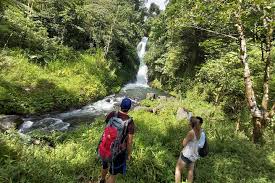
Bali’s waterfalls vary from short canyon walks to steep, slippery descents. Sekumpul offers a demanding north Bali trek and several cascades, Banyumala is a forested twin-fall option with a swimming pool, and Tukad Cepung is a short but wet canyon approach known for shafts of light. Treat “hidden” as a description of atmosphere, not a promise of solitude: access fees, guides, crowds and trail conditions change.
Compare the three walks
| Waterfall | Walk and setting | Swimming and access | Best fit |
|---|---|---|---|
| Sekumpul | Longer, steep route with steps, slopes and multiple viewpoints in North Bali | Water levels and local rules determine whether swimming is sensible; expect a strenuous return climb | Fit walkers who can commit most of a day |
| Banyumala Twin Falls | Forest path and descent to a pool; still uneven and slippery in rain | Swimming may be possible when conditions and local guidance allow, but depth and current vary | Visitors wanting a quieter pool with a shorter outing than Sekumpul |
| Tukad Cepung | Short approach that includes stairs, shallow water and a narrow canyon | Wading is part of the approach; flash floods and falling rocks are serious concerns after rain | Those prioritising a distinctive canyon setting over a long hike |
Before you choose a trail
- Fitness: The return journey is harder than the descent. Allow for heat, humidity, uneven steps and wet rock rather than judging difficulty by distance alone.
- Season: Dry-season weather can make paths more predictable, but water flow may be lower. Wet-season rain can create impressive cascades while making trails, river crossings and canyon visits hazardous.
- Time: Allow a half-day for a shorter visit and most of a day for Sekumpul including road travel. Start early if you need to avoid heat or fit the waterfall around a long transfer.
- Cost: Confirm entrance, parking, local guide, viewpoint and transport charges as a package. Community arrangements and prices may change; carry small cash and ask for a receipt or clear breakdown.
Safety and swimming checklist
- Check rainfall and local conditions on the morning of the walk. Leave immediately if staff or residents advise against entering.
- Wear shoes with a secure grip, carry drinking water and use a dry bag for phones. A change of clothes is useful for canyon routes.
- Do not stand beneath a cascade, dive into an unfamiliar pool or cross fast water. Hidden rocks, strong currents and sudden water release can exist even on a sunny day.
- Never enter a narrow canyon during or soon after heavy rain because water levels can rise quickly.
- Stay on marked paths, use handrails where provided and follow community guides rather than attempting shortcuts.
Families and accessibility
Young children may manage a viewpoint or short approach but not a steep, wet trek without close supervision. Ask about steps, handrails, toilets, rest points and the distance from the vehicle drop-off. These waterfalls are generally not wheelchair-accessible at the pool or canyon level; visitors with limited mobility may be able to enjoy a viewpoint only, depending on the site. A guide or driver should not promise access without seeing the route and your specific requirements.
Respect the water and the communities
Waterfalls can have religious significance, and some pools or nearby shrines may be used for purification. Wear suitable clothing, avoid changing in public view and follow signs about swimming or ceremonies. Do not move offerings, leave rubbish, play loud music or climb the falls. Entrance and guide contributions help maintain paths, but ask how the local arrangement works instead of assuming every seller represents the site.
Combine only nearby activities: a north Bali waterfall day can become exhausting when paired with a long cross-island transfer. If you prefer a gentler outdoor plan, compare the trail demands with the rice terrace cycling guide or the hot springs guide. Both still require weather-aware planning, but neither should be treated as a substitute for checking current local conditions.