Bali's Plant-Based Food Scene: Traditional and Modern Options
By VisitBali.com Editorial Team · 7 min read · Published 5 December 2024 · Last updated 15 September 2026
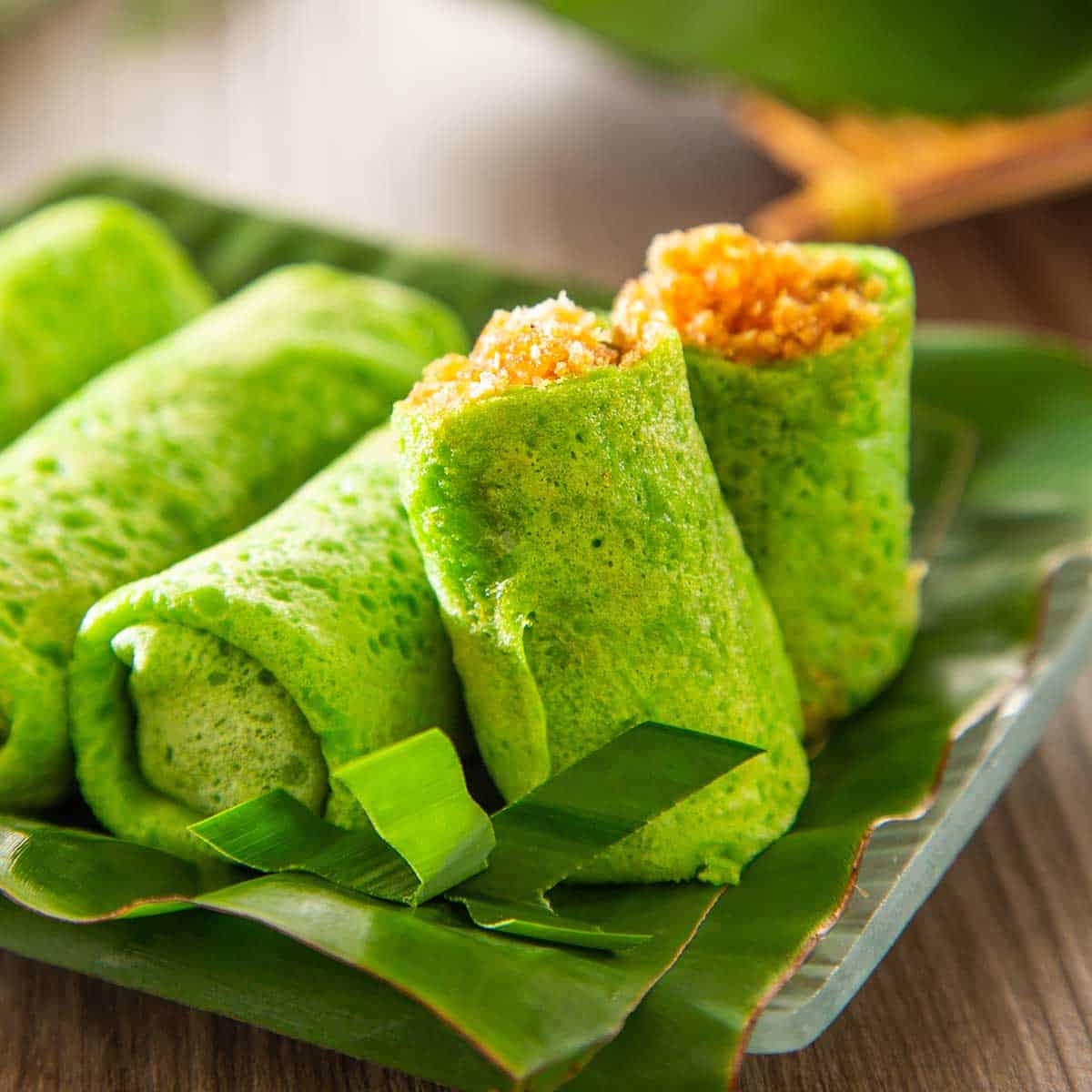
Bali is easy to eat plant-based in, but “vegetarian” does not always mean vegan. Traditional dishes built around tempeh, tofu, vegetables, coconut and spices sit alongside dedicated modern restaurants. Ask about shrimp paste, fish sauce, egg, dairy and shared cooking oil, and explain allergies clearly rather than relying on a menu label.
Start with dishes that have local roots
- Gado-gado: vegetables, tofu and tempeh with peanut sauce; ask whether the sauce contains shrimp paste.
- Urap: vegetables mixed with seasoned grated coconut; recipes vary, so confirm the paste and stock.
- Tempeh and tahu: fermented soy cake and tofu, commonly fried or served in mixed dishes.
- Nasi campur: rice with several side dishes; request a plant-based selection and verify each component.
- Lawar: a mixed preparation whose ingredients differ by recipe and region; do not assume it is vegetarian.
- Fresh fruit and sambal: widely available, but sambal may contain shrimp paste and preparation surfaces may be shared.
Where the food scene is strongest
| Area | Useful focus | Planning note |
|---|---|---|
| Ubud | Traditional cooking classes, wellness menus, vegan and raw-food options | Popular venues can require reservations; explore beyond the central streets. |
| Canggu | Plant-based cafes, brunch and international comfort food | Traffic can make a short trip slow, especially at meal times. |
| Seminyak | Restaurants across budgets and cuisines | Check menus and allergen details before committing to a busy evening. |
| Rural areas and smaller towns | Warung dishes, fruit and simple rice-based meals | Choice may be narrower; learn a few Indonesian phrases and carry a snack. |
Ingredients and sustainability without overclaiming
Tempeh, coconut, jackfruit, pandan, banana, cassava and local greens show how much variety is possible without imported meat substitutes. The presence of a garden or an “organic” label does not by itself prove a short supply chain. Ask a restaurant what it grows or sources locally, choose seasonal produce where possible, avoid unnecessary single-use packaging and refill water safely. Subak irrigation is an important part of Balinese agricultural heritage, but it should not be presented as proof that every restaurant is regenerative.
Eating safely and comfortably
- Choose busy stalls with good turnover and food cooked hot. Be cautious with raw garnishes, ice and unrefrigerated sauces if hygiene is unclear.
- Tell staff about allergies in simple language and show a translated note where necessary. Cross-contact is possible in shared kitchens.
- Carry oral-rehydration salts and travel insurance details. Seek medical care for severe or persistent symptoms.
- For cooking classes, ask whether the group can accommodate allergies, vegan requirements and food-handling needs before paying.
- At markets, agree on a price before ordering when no menu is displayed, and carry small notes without treating low prices as a reason to waste food.
A practical food plan
- Book one dedicated plant-based dinner in Ubud, Canggu or Seminyak.
- Try a warung meal with a clear explanation of ingredients.
- Take a class only after confirming dietary and allergy arrangements.
- Keep one flexible meal each day for traffic, queues or a changed excursion.
Use the Bali travel guide to match food stops with your route, and read the temple etiquette guide if a cooking or village visit includes a sacred site. “Plant-based” is most useful when it describes what is actually on the plate, not a promise about a whole island.