Swimming with Manta Rays in Nusa Penida: A Responsible Guide
By VisitBali.com Editorial Team · 8 min read · Published 12 November 2024 · Last updated 15 September 2026
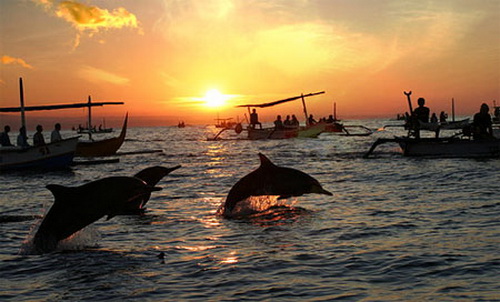
Nusa Penida is a well-known place to look for reef manta rays, especially around cleaning stations and feeding areas near Manta Point. Sightings are never guaranteed, and the sea can be rough even when the beach looks calm. Choose a licensed, safety-conscious operator, follow the guide's briefing and treat the trip as wildlife observation rather than a guaranteed swim.
Where and how encounters happen
Boat trips typically leave from Nusa Penida or mainland Bali and visit sites on the island's southwest coast. Mantas may glide past snorkellers, circle a cleaning station or remain below divers. Strong surge, current and boat traffic can make some sites unsuitable for inexperienced swimmers. A calmer alternative or a rescheduled trip is a sensible outcome when the skipper or guide says conditions are unsafe.
| Option | Advantages | Limitations | Suitable for |
|---|---|---|---|
| Snorkelling from a boat | Accessible without a dive certification and allows a wider group to join | Surface chop, current and climbing a boat ladder can be demanding | Confident swimmers who can follow a guide in open water |
| Scuba diving | More time below the surface and a better view when mantas stay deep | Requires appropriate certification, medical fitness and current experience | Certified divers with an operator matching the dive to conditions |
| Shore-based alternative | Less boat time and easier to cancel in poor sea conditions | Does not provide the same manta encounter and depends on local visibility | Families, non-swimmers or travellers who prefer a lower-risk day |
Best time and realistic expectations
Mantas can be seen year-round, but local visibility, plankton, tides, wind and rainfall influence each outing. The dry season often brings easier travel conditions, while it does not guarantee clear water or sightings. Ask the operator which departure time, tide and site rotation they currently use rather than relying on a promise of a “best” month.
Do not touch, chase, corner or swim over a manta. Keep a respectful distance, stay beside rather than in front of its path, use no flash and avoid sunscreen or equipment that can shed into the water. Never obstruct a cleaning station. A good guide limits the time in the water and moves the group away when the animal changes direction.
Booking and boat-safety checklist
- Ask whether the price includes hotel or harbour transfers, park or conservation fees, equipment, food, insurance and photos. Prices change by departure point and package.
- Confirm the meeting point and allow time for the fast boat from mainland Bali if you are not staying on Nusa Penida. Same-day mainland trips can become long, especially with delays.
- Check that masks, snorkels, fins, flotation aids and life jackets are available in suitable sizes. Try equipment before leaving shore.
- Ask about crew-to-guest ratios, first aid, radio or phone communication, weather cancellation and the plan for a seasick or separated swimmer.
- Use reef-safe habits, take all rubbish back to shore and never feed marine life.
Families, accessibility and fitness
Children should be confident in open water and able to follow a guide; a flotation device is not a replacement for supervision. Pregnant travellers, people with respiratory or cardiac conditions and anyone prone to severe seasickness should seek medical advice before booking. Boat ladders, slippery decks and uneven harbour surfaces can make these trips unsuitable for wheelchair users or anyone needing a level transfer. Ask the operator for a specific accessibility assessment, not a general assurance.
Useful marine context
Manta rays are filter feeders, not predators, and their movements are best understood as those of wild animals rather than performers. Marine protected areas and responsible operators can help reduce pressure, but visitors should still minimise crowding. Pair the trip with the Nusa Penida coastal guide only after checking how much road and boat travel your group can comfortably manage. For a land-based nature day in Bali, see the waterfall trekking guide.